
If you’ve spent even a few minutes browsing the Shopify App Store, you’ve probably realized something quickly: there are a lot of apps.
Some solve real problems. Others just add more scripts and complexity to your store.
For many merchants, especially those launching a store for the first time, the real challenge is figuring out which apps actually help the business grow.
This guide covers some of the best Shopify applications in 2026, focusing on tools that help merchants improve operations, build trust with customers, manage orders, and scale their stores. Many merchants search for things like best Shopify apps for small stores, essential Shopify apps for new stores, and Shopify tools for ecommerce growth, so the goal here is to highlight tools that truly support those outcomes rather than just adding more features.
Depicter, Popup and Visual Content Builder

Depicter is designed as a visual marketing and engagement builder that helps merchants create interactive experiences directly inside their store. Instead of relying on multiple separate tools for things like a Shopify popup builder, a Shopify announcement bar, or a Shopify carousel, the idea is to manage these elements from a single visual interface. This approach can make campaign management significantly easier, especially for merchants who want more control over how promotions appear across their site.
The platform focuses on turning static store pages into more dynamic marketing spaces. Shop owners can design high-impact elements like a custom Shopify hero section or attention-grabbing Shopify slider displays that highlight specific offers or collections. Rather than editing theme code or installing several specialized apps, the goal is to allow store owners to build these experiences visually without technical friction.
Another aspect of tools like Depicter is behavioral control. Campaigns can be triggered based on visitor actions, timing, or specific pages within the store. This allows merchants to experiment with different engagement strategies without constantly adjusting multiple tools. Instead of stacking several apps for different marketing features, merchants may prefer using one platform that can handle various campaign formats and onsite experiences. This simplifies store management and makes it easier to run coordinated campaigns across the entire storefront.
Judge.me, Product Reviews
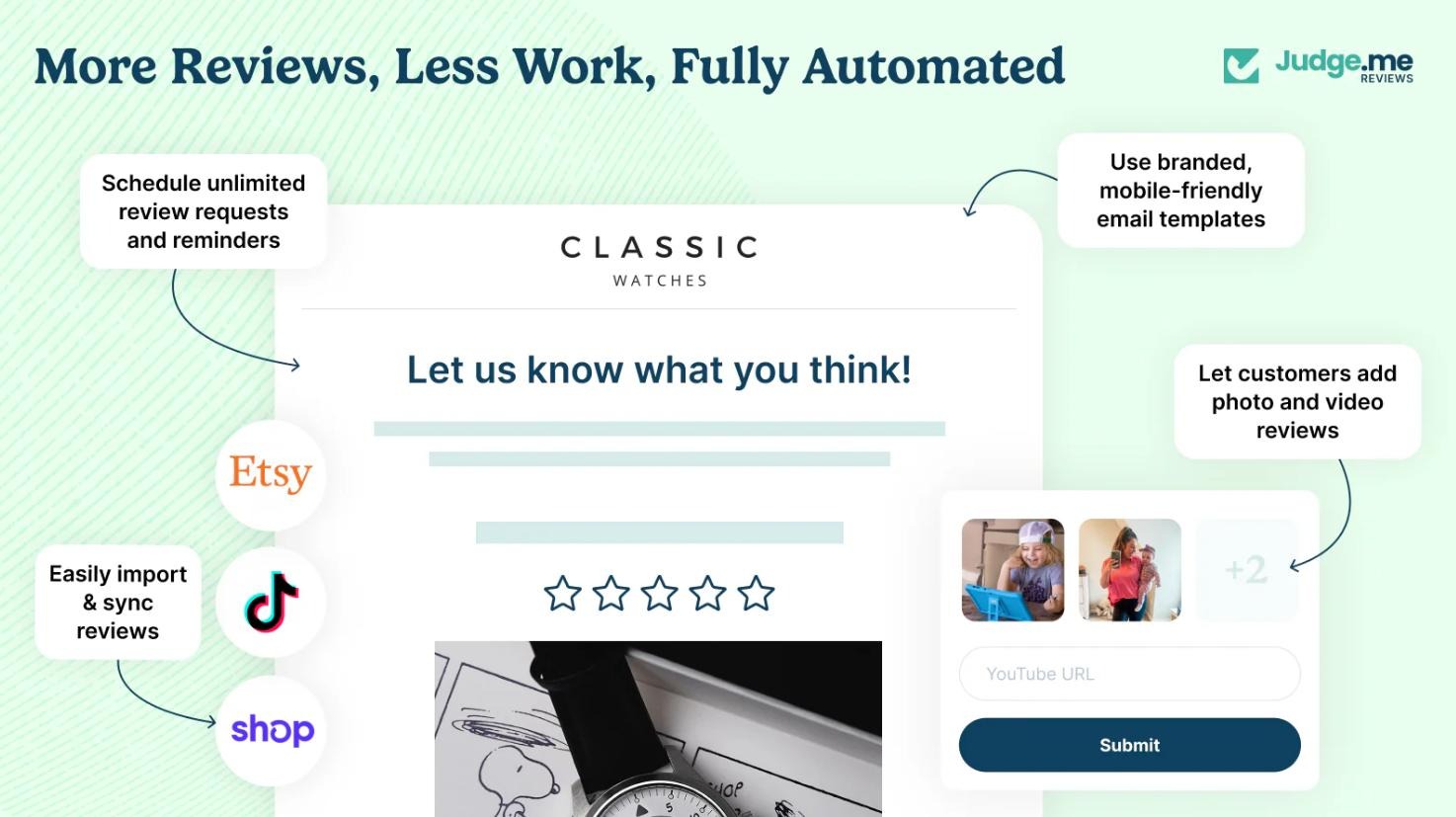
Judge.me is one of the most widely used Shopify review applications. It allows merchants to collect and display product reviews directly on their product pages, helping build trust with potential buyers.
Customer reviews are extremely important in ecommerce because shoppers often rely on the experiences of others before making a purchase. When a product page includes verified ratings and customer feedback, it reduces uncertainty and helps new visitors feel more confident.
Judge.me makes it easy to automatically request reviews after a purchase and display them in various formats on the storefront. Merchants can highlight star ratings, written feedback, or photo reviews submitted by customers.
For new stores in particular, review apps often become one of the first tools installed because they help establish credibility quickly. Even a small number of authentic reviews can make a store appear more trustworthy and active.
ReConvert, Post-Purchase Upsells
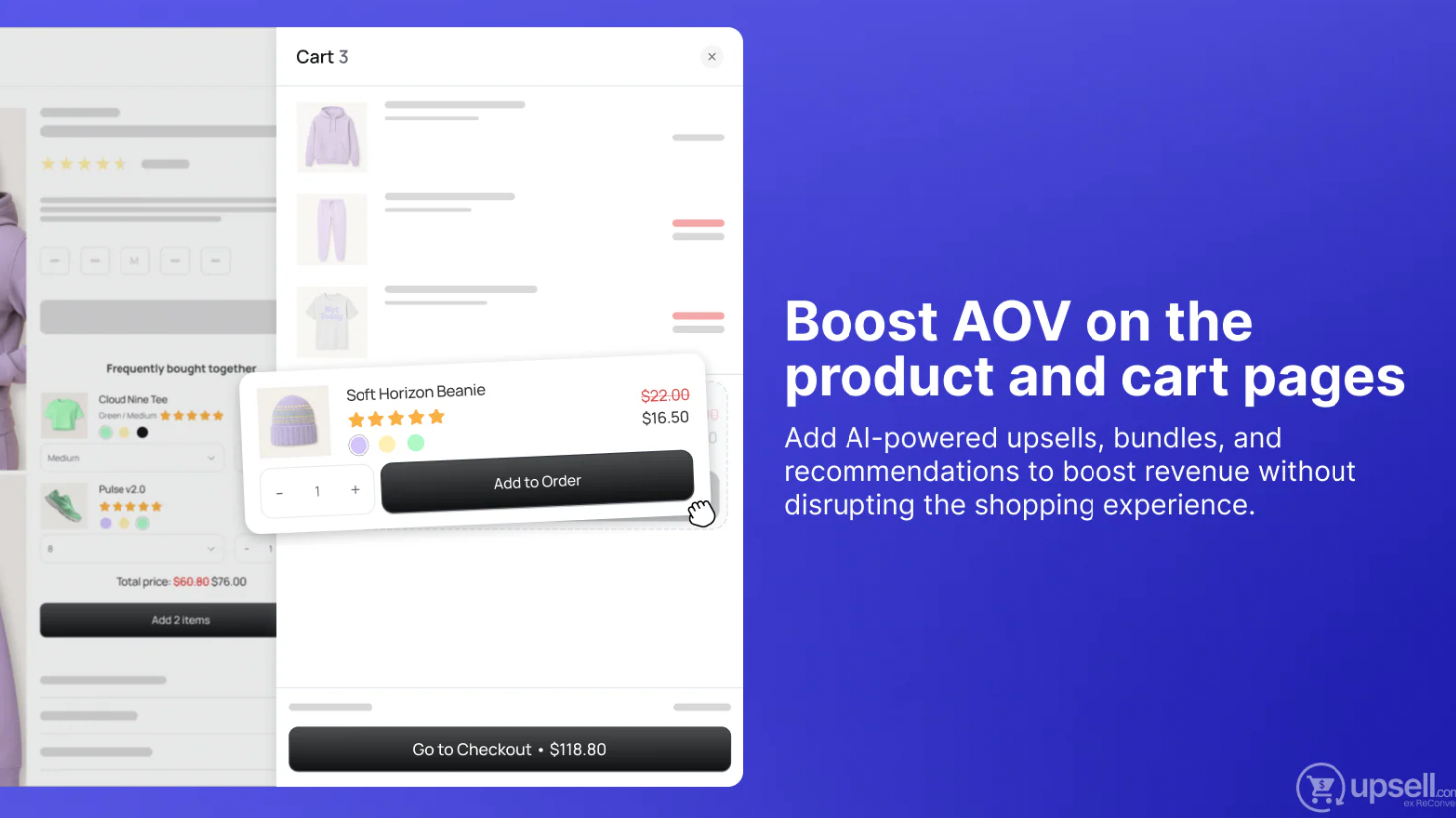
ReConvert focuses on the moment right after a customer completes a purchase. Instead of ending the shopping experience at the checkout confirmation page, it allows merchants to present additional offers or recommendations.
Post-purchase upsell strategies can be powerful because customers have already demonstrated purchasing intent. At that stage, they may be more open to adding another item to their order.
Merchants often use ReConvert to promote complementary products, limited-time offers, or bundle discounts immediately after checkout. These offers appear on the order confirmation page or similar areas within the purchase flow.
Apps like this are often used to increase average order value without needing to bring more traffic to the store. By encouraging existing buyers to add items to their purchase, merchants can improve overall revenue efficiency.
Smile.io, Loyalty and Rewards Programs
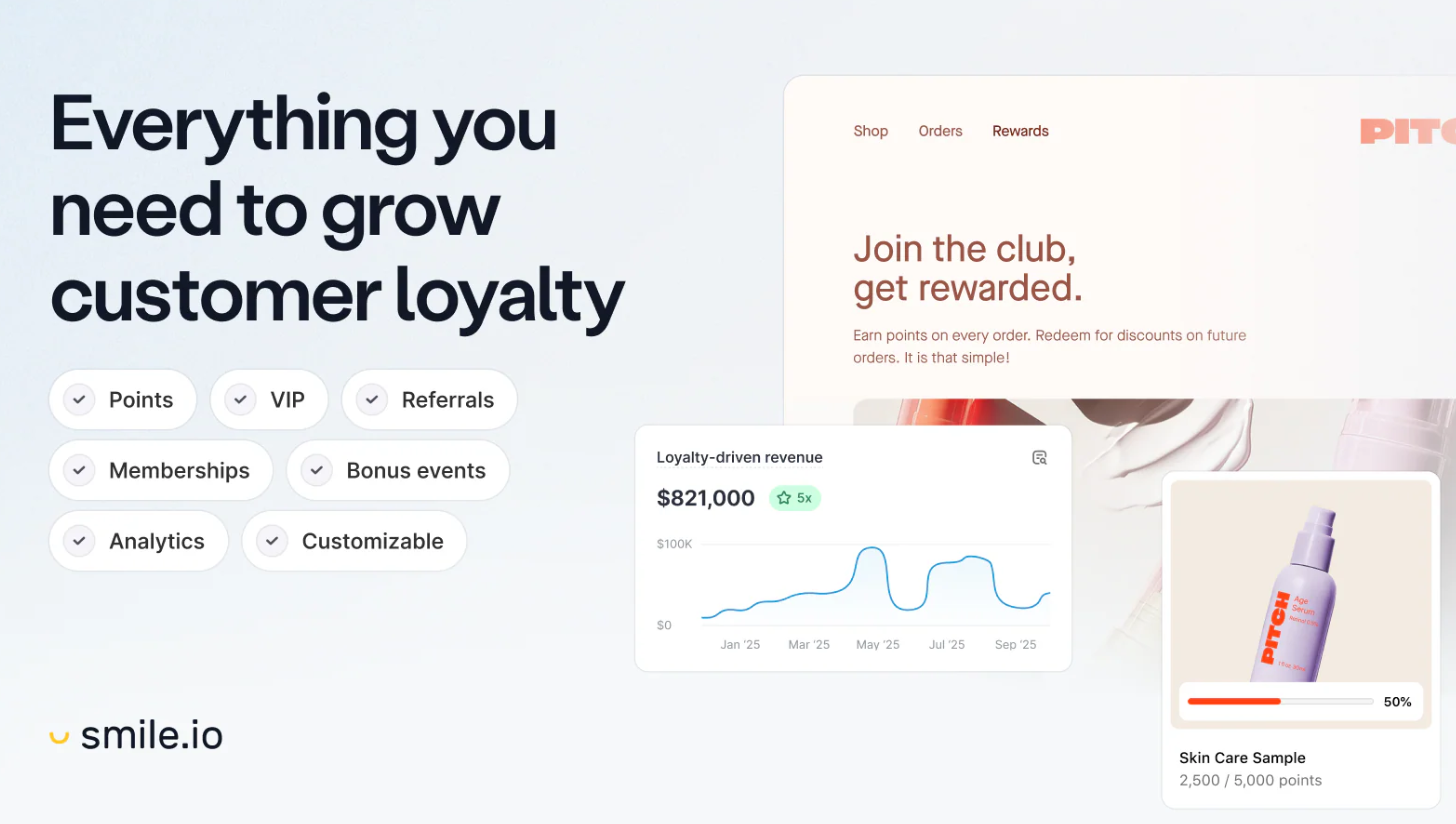
Smile.io is a loyalty platform designed to reward repeat customers. Instead of focusing only on new customer acquisition, it helps merchants build long-term relationships with their existing audience.
The app allows stores to create points-based systems where customers earn rewards for actions such as making purchases, referring friends, or engaging with the brand. These points can then be redeemed for discounts or other incentives.
Referral programs are another common feature. Customers who recommend the store to friends can earn rewards, which encourages organic growth through word-of-mouth marketing.
Loyalty programs are especially valuable for ecommerce businesses because retaining customers is often more cost-effective than constantly acquiring new ones. Over time, these programs can significantly increase customer lifetime value.
Shopify Search & Discovery
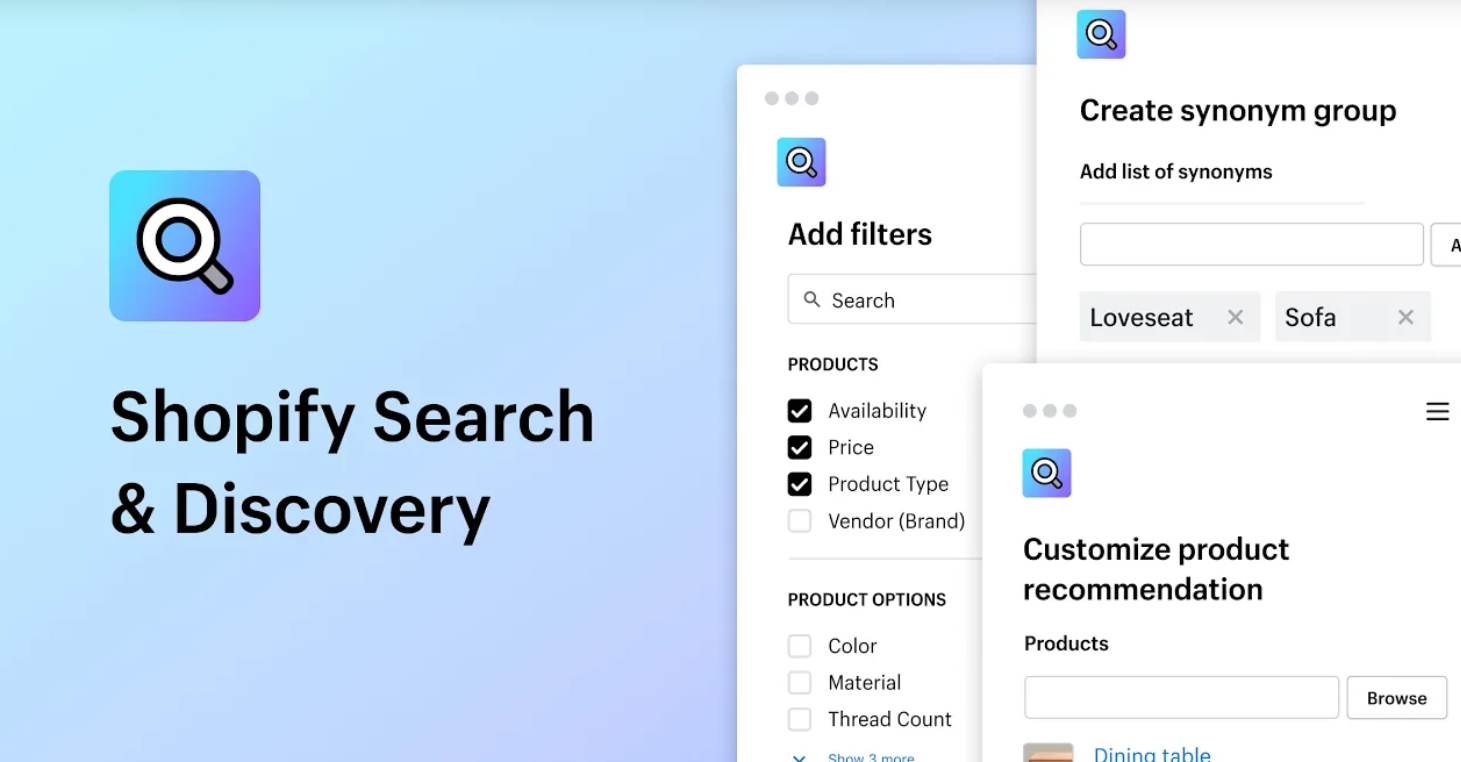
Shopify Search & Discovery is an official app built by Shopify to improve product discovery within a store. It focuses on helping customers find the products they are most likely to purchase.
The app allows merchants to customize search results, add product filters, and create recommendation rules. This can make browsing easier for customers, especially in stores with larger catalogs.
Product recommendations are another key feature. Merchants can highlight related items, complementary products, or popular items within certain categories.
Improving how customers find products often has a direct effect on conversion rates. When shoppers can easily locate relevant items, they are more likely to continue browsing and complete a purchase.
Tidio, Live Chat and Customer Messaging
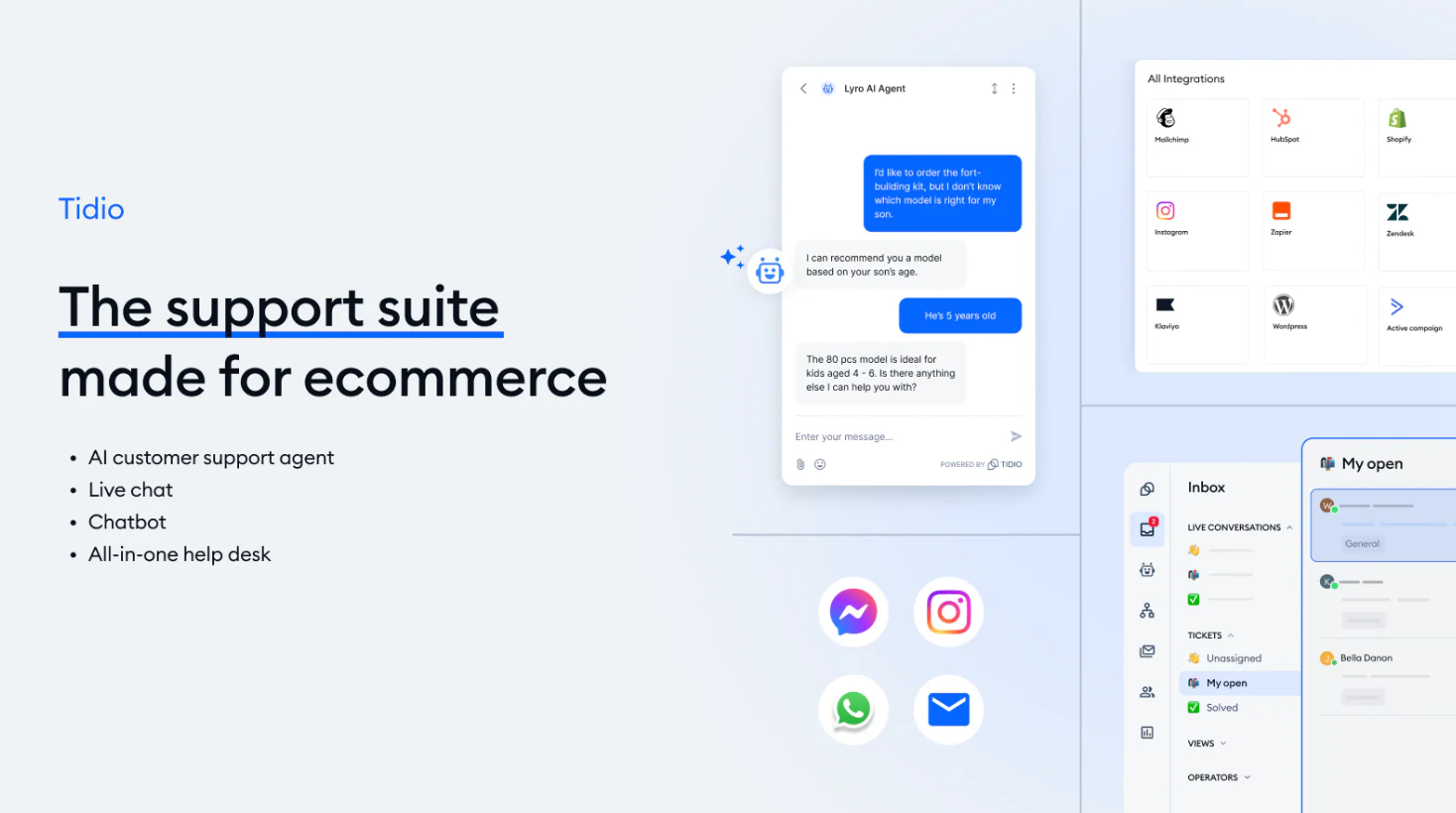
Tidio provides live chat functionality that allows merchants to communicate directly with visitors while they browse the store. This can help answer questions in real time and remove obstacles that might prevent a purchase.
Customer support is a crucial part of ecommerce, especially for stores selling products that require explanation or comparison. If a visitor has a question about sizing, shipping, or product details, instant support can make the difference between a sale and an abandoned cart.
Tidio combines live chat with automated chatbots, which can respond to common questions even when a merchant is not online. This ensures that customers still receive quick answers.
For smaller teams, live chat tools can dramatically improve customer experience without requiring a large support staff.
ShipStation, Shipping Management
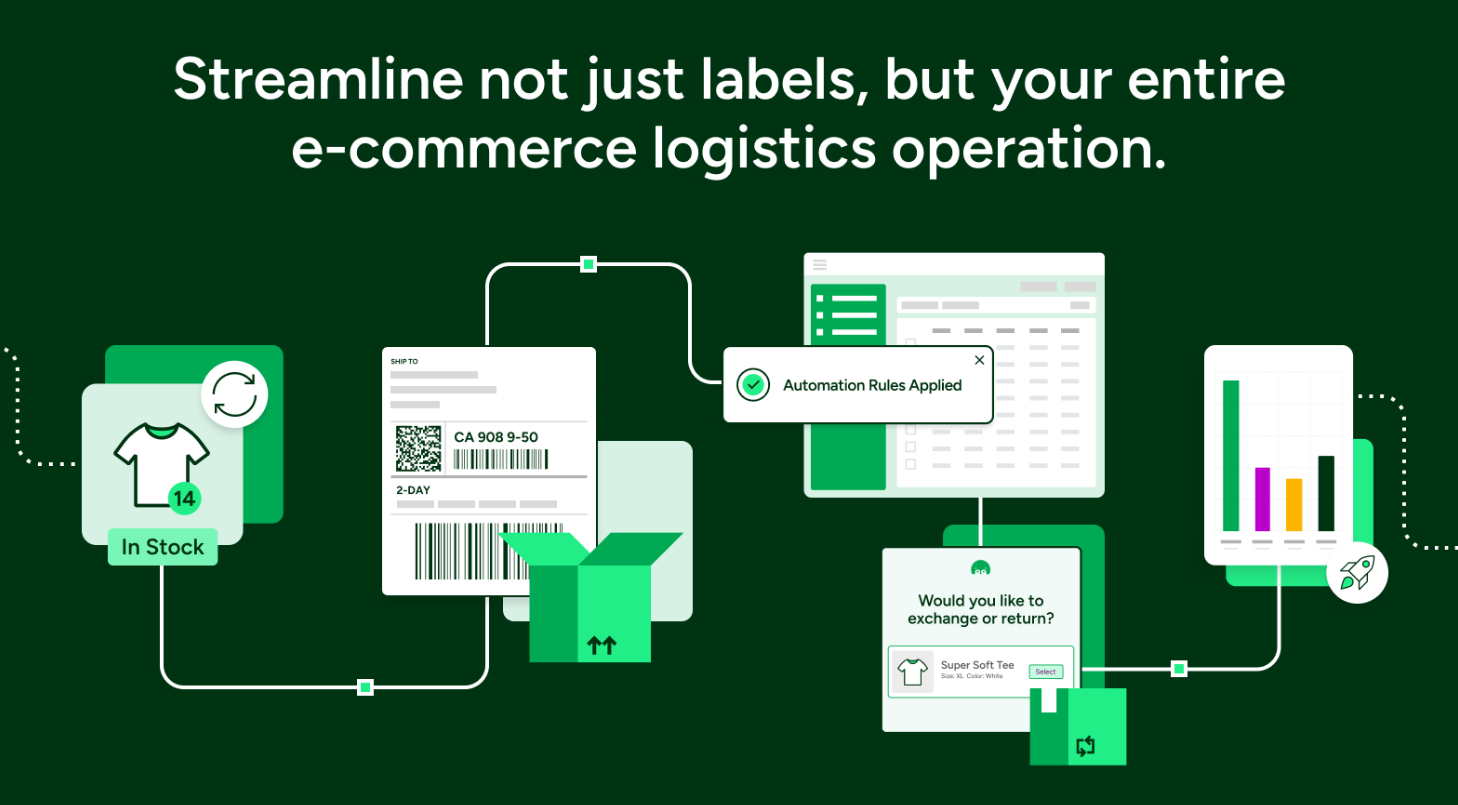
Shipping logistics become more complex as ecommerce stores grow. ShipStation is designed to simplify shipping operations by allowing merchants to manage orders and shipping carriers from one dashboard.
The platform connects with multiple carriers and allows merchants to create shipping labels, track packages, and manage fulfillment processes more efficiently.
Automated workflows are another key feature. Merchants can create rules that automatically select shipping carriers or print labels based on order details.
For stores handling a high volume of orders, tools like ShipStation help reduce manual work and streamline fulfillment processes.
Better Reports, Advanced Shopify Analytics
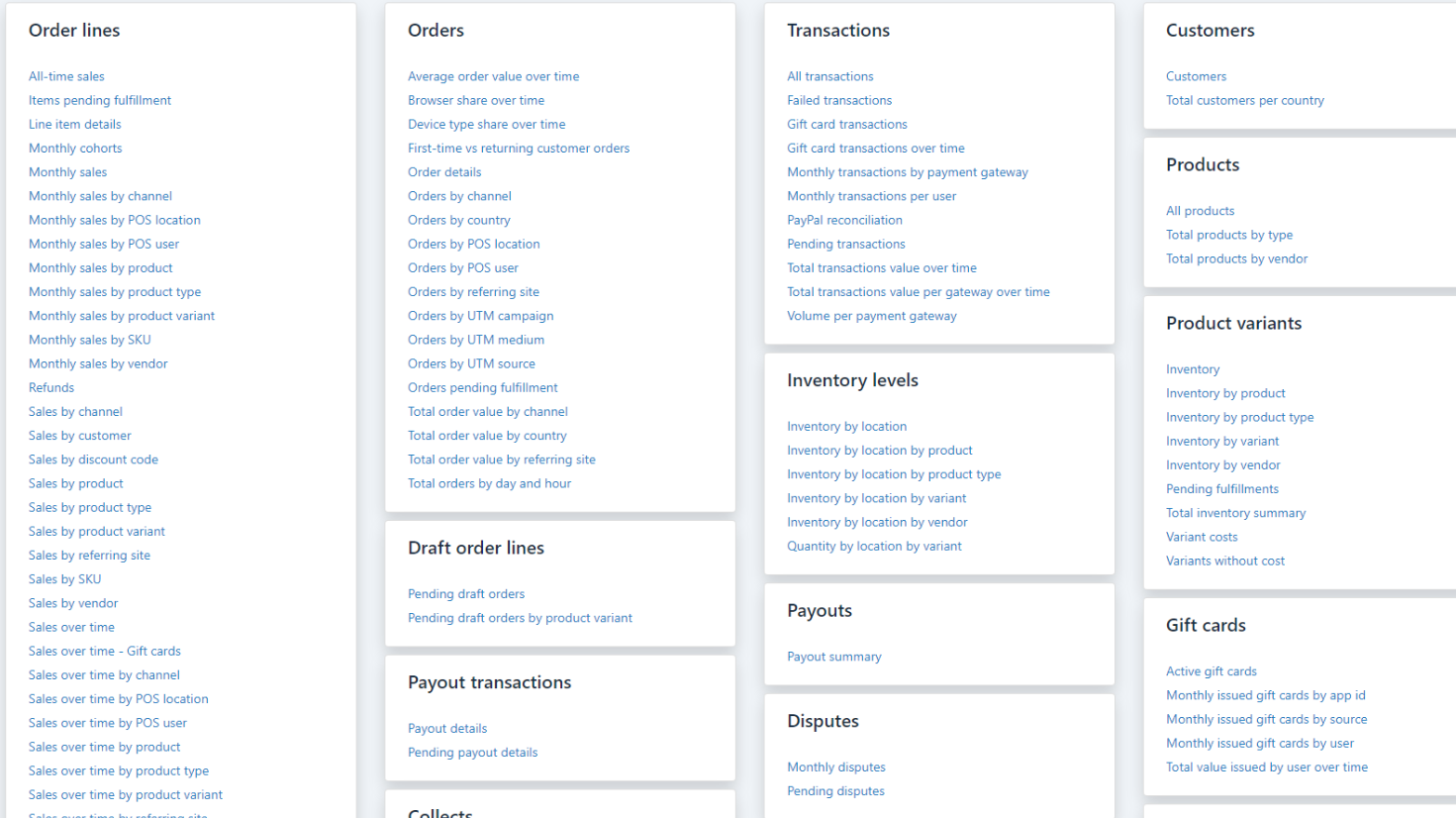
Better Reports provides deeper insights into store performance by expanding on Shopify’s built-in reporting tools.
The app allows merchants to create custom reports that analyze data such as customer behavior, sales trends, product performance, and revenue sources.
Many ecommerce businesses rely heavily on analytics to understand what is working and what needs improvement. Having detailed reports can help merchants make better decisions about pricing, inventory, and marketing strategies.
Custom reporting tools become especially useful for growing stores that want more control over how they analyze business performance.
Matrixify, Data Import and Export
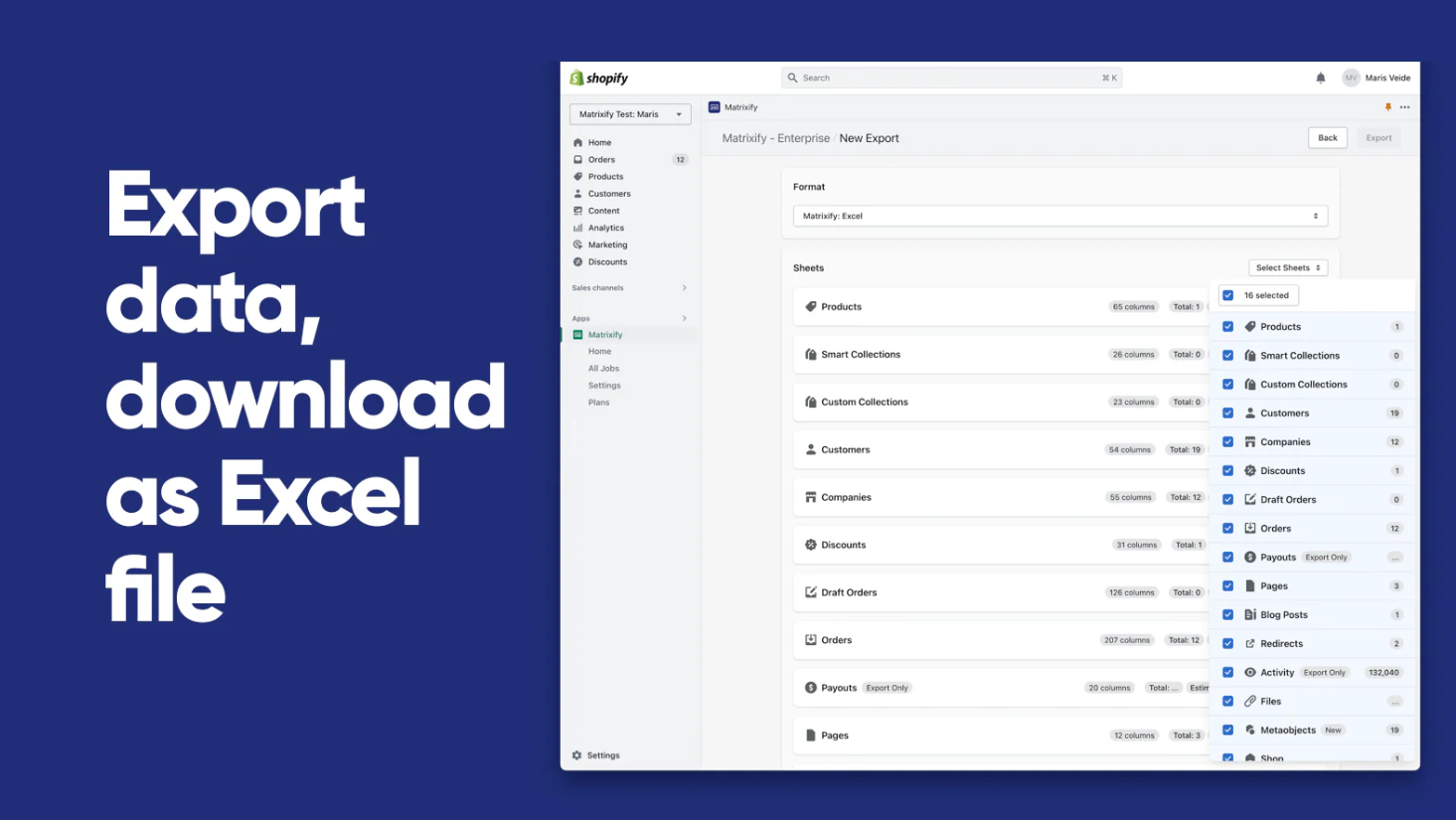
Matrixify is a powerful tool for managing large amounts of Shopify store data. It allows merchants to import and export products, orders, customers, and other store information in bulk.
This can be extremely helpful when migrating stores, managing large product catalogs, or performing data backups.
Merchants can also use Matrixify to automate certain data management tasks or update product information across multiple listings at once.
For stores with complex inventories or frequent updates, tools like this can save a significant amount of time.
Gorgias, Customer Support Platform
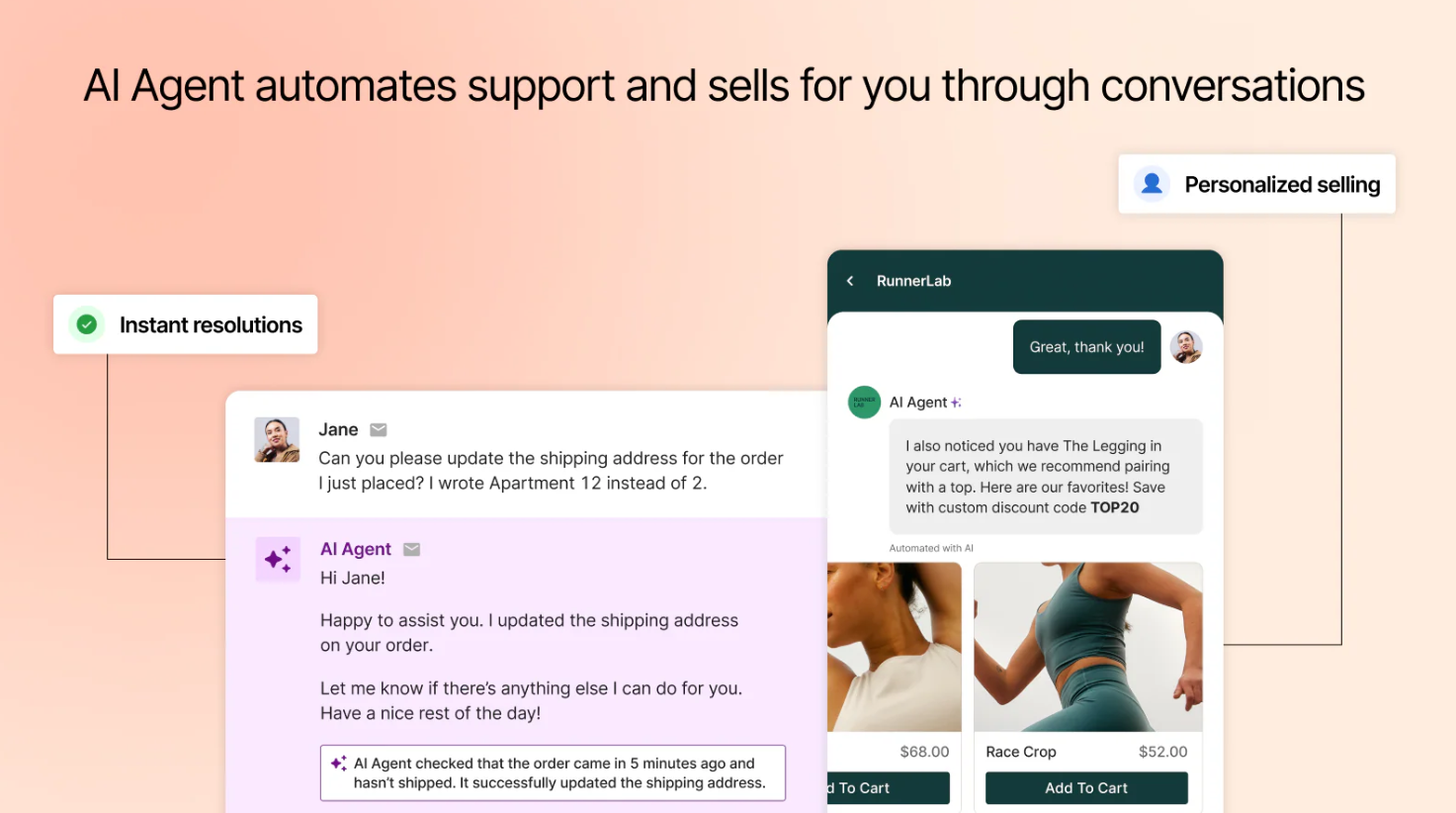
Gorgias is a customer service platform designed specifically for ecommerce businesses. It centralizes customer communication from multiple channels into a single support dashboard.
Merchants can manage messages from email, live chat, social media, and helpdesk tickets without switching between platforms.
The platform also integrates with Shopify data, allowing support agents to view order details and customer information directly within conversations.
Efficient customer support can have a strong impact on customer satisfaction and repeat purchases. For stores that receive a high volume of customer inquiries, tools like Gorgias help maintain organized and responsive support workflows.
Why Page Speed Matters When Installing Shopify Apps
One challenge that many Shopify stores face is app bloat. Installing too many apps can slow down the storefront because each app adds scripts and resources that must load on the page.
Page speed has become an increasingly important factor in both user experience and search engine rankings. Slow pages can frustrate visitors and increase bounce rates.
Google has also emphasized metrics like Core Web Vitals, which evaluate how quickly and smoothly pages load. Stores that perform poorly on these metrics may struggle to rank for competitive queries.
Because of this, merchants should carefully evaluate every app they install. Choosing fewer, well-selected apps often leads to better performance than stacking many tools that overlap in functionality.
Final Thoughts
The best Shopify applications in 2026 are not necessarily the ones with the longest feature lists. Instead, they are the tools that help merchants run their stores more effectively, build customer trust, and manage growth.
For new merchants, starting with a small set of reliable tools is usually the best approach. As the store grows, additional apps can be added to support more advanced operations.
By focusing on apps that improve customer experience, streamline operations, and support long-term growth, merchants can build a Shopify store that scales efficiently over time.
Leave Comment